
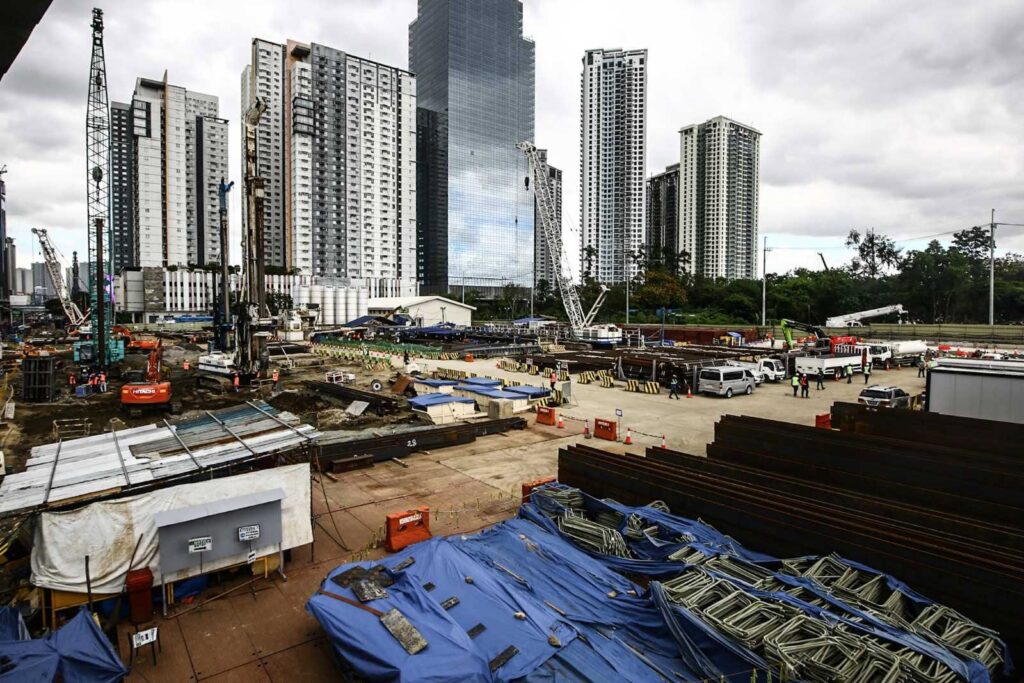
The Philippine real estate industry is entering a period of strategic adjustment as slower economic growth, cautious business expansion, and changing housing demand prompt developers to reassess their investment and development plans.
In a report published by Colliers Philippines, the property sector is described as undergoing a reset amid subdued economic performance during the first half of 2026. The country’s gross domestic product (GDP) grew by 2.3% in the second quarter, bringing first-half growth to 2.6%, as softer household spending and modest foreign direct investment inflows weighed on economic activity.
The slowdown has affected office leasing and residential property activity, encouraging businesses and developers to take a more cautious approach. However, Colliers said the changing environment also presents opportunities in affordable housing, hospitality, industrial facilities, and property markets outside Metro Manila.
Rather than relying solely on rapid expansion, the report points to more disciplined development, better matching of supply with demand, and investment in sectors with stronger growth potential.
Five Key Shifts Reshaping the Philippine Property Market
1. Developers Are Becoming More Cautious About Expansion
Economic uncertainty has encouraged companies to reconsider office expansion, relocation, and new property investments. Colliers reported that Metro Manila office transactions declined by 24% quarter-on-quarter, reflecting delayed decisions among businesses.
Despite the slowdown, flexible workspaces are attracting interest as companies look for arrangements that allow them to manage costs and adjust to changing workforce needs.
The shift suggests that office operators and property owners may need to offer more adaptable spaces and services rather than depend entirely on traditional long-term leasing.
2. Affordable Housing Remains a Major Source of Demand
Residential affordability continues to shape the property market, particularly as rising costs and financing concerns affect homebuyers’ purchasing power.
Colliers reported that economic and affordable housing accounted for approximately two-thirds of Metro Manila condominium take-up during the first half of 2026. This points to stronger demand in segments that are more accessible to ordinary Filipino buyers.
Developers may need to prioritize pricing strategies, flexible payment arrangements, and housing options that better reflect household budgets. Improving affordability could help address demand while allowing the market to absorb existing inventory.
3. Hospitality and Tourism-Related Properties Offer Opportunities
The hospitality sector remains a potential growth area as international visitor arrivals recover and investment interest continues in tourism destinations.
Hotel developers, however, need to assess local demand, competition, location, and the possibility of oversupply before launching new projects. Differentiated concepts and well-planned services may help properties stand out in competitive destinations.
The outlook also highlights opportunities for developments that respond to leisure travel and business-related tourism, provided projects are supported by realistic demand assessments.
4. Industrial Property Demand Continues to Attract Interest
Industrial real estate is another sector identified as having growth potential. Manufacturers in industries such as semiconductors, food and beverages, and fast-moving consumer goods continue to seek modern facilities near ports, expressways, and key transport connections.
Central Luzon is among the areas with opportunities as infrastructure improvements and industrial activity support demand for strategically located facilities.
This trend could encourage property firms to look beyond conventional residential and office projects and consider locations that serve manufacturing, logistics, and distribution businesses.
5. Regional Markets Could Help Diversify Property Investments
The report also points to opportunities beyond Metro Manila, where developers can respond to different housing needs and local economic conditions.
Regional expansion may help companies diversify their portfolios while reaching homebuyers who prefer house-and-lot developments or residential projects closer to employment centers outside the capital.
However, developers still need to evaluate infrastructure, purchasing power, employment opportunities, and actual demand in each location. Expansion into regional markets will be most effective when projects are based on local needs rather than assumptions that growth will be uniform across the country.
Infrastructure and Government Spending Remain Important
Colliers emphasized the importance of accelerating infrastructure implementation and social-service spending to support economic activity and strengthen domestic demand.
Improved infrastructure can connect residential communities with employment centers, increase the appeal of industrial locations, and support tourism and commercial activity. Faster housing approvals and stronger public-private partnerships could also help developers respond to housing needs while making projects more accessible.
These measures will be important as the property sector works through slower activity and adjusts to changing market conditions.
Property Industry Outlook: Recovery Will Depend on Strategic Decisions
The Philippine property market’s current challenges do not necessarily mean opportunities have disappeared. Instead, the changing environment highlights the need for developers to align projects with real demand, manage supply carefully, and prioritize sectors with stronger fundamentals.
Affordable housing, flexible workspaces, hospitality, industrial facilities, and regional developments are among the areas identified as potential sources of growth.
The pace of recovery will depend on broader economic conditions, infrastructure implementation, financing costs, and the industry’s ability to adapt to buyers’ and businesses’ needs. For property firms, the next phase may be less about expanding quickly and more about making disciplined investment decisions that support sustainable growth.